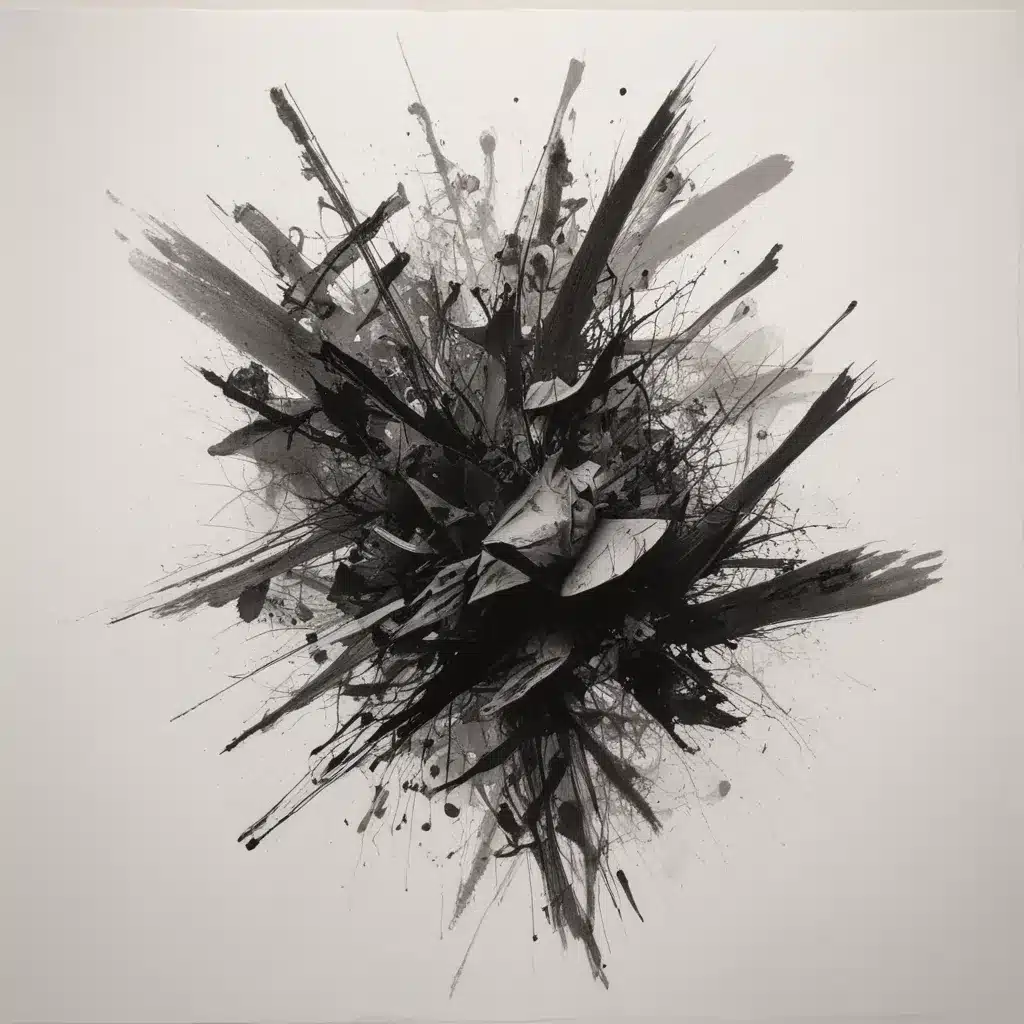
Drawing with ink, charcoal, and graphite can unlock a rich world of sculptural mark-making and expressive visual techniques. In our 15 years installing… By harnessing the interplay of light and shadow, artists can imbue their drawings with a powerful sense of three-dimensional form, texture, and atmosphere.
Now, this might seem counterintuitive…
Ink offers a versatile medium for casting dramatic shadows and suggesting depth through fluid brushstrokes, delicate washes, and expressive splatters. Charcoal’s velvety tones and malleable application lend themselves beautifully to capturing the nuances of chiaroscuro, while the precision of graphite allows for intricate rendering of intricate details and gradients. Combining these drawing materials can produce captivating results, from enigmatic silhouettes to nuanced studies of form.
Exploring this sculptural approach to drawing involves mastering the principles of light logic, understanding the distinct characteristics of cast shadows versus form shadows, and developing a keen eye for observing how illumination shapes the volumes and textures of a subject. Equally important is an experimental, process-driven approach that allows the unique properties of the materials to guide the creative journey.
Ink Drawing: Casting Shadows Through Fluid Brushwork
Ink drawing offers endless possibilities for creating a sense of depth and form through the interplay of light and shadow. One powerful technique is ink wash painting, where diluted ink is applied with a brush to suggest tone and form. Source 1 explains how the tonal values of an ink wash can model the three-dimensional qualities of a simple sphere, outlining the key areas to focus on:
- The light side, including the highlight and halftones
- The shadow side, encompassing the form shadow, core shadow, and reflected light
- The cast shadow underneath the object
By thoughtfully building up layers of transparent washes, artists can create a compelling illusion of volume and depth. The softness or sharpness of the cast shadow’s edges will depend on the intensity of the light source, with harder-edged cast shadows indicating a single, direct light.
Beyond washes, ink can also be used in a more expressive, gestural manner through techniques like calligraphy and ink splatter. Wielding the brush or dipping a stick into ink to draw spontaneous marks can suggest the sculptural qualities of a subject through energetic, textural strokes. Splattering or dripping ink onto the page can create atmospheric, abstracted shadows that go beyond literal representation.
Charcoal Drawing: Capturing Nuanced Chiaroscuro
The soft, mutable qualities of charcoal make it an ideal medium for exploring the nuances of light and shadow. Source 2 highlights the versatility of charcoal in rendering three-dimensional form:
- Charcoal Sketching: Loose, expressive charcoal strokes can quickly block in the overall shapes and tonal masses of a subject.
- Charcoal Shading Techniques: Gradual tonal modelling through cross-hatching, stippling, and blending can give form to volumes and surfaces.
- Charcoal Blending and Smudging: Softening and blurring the edges of charcoal marks creates atmospheric, ethereal shadows.
Charcoal’s ability to produce a wide range of values, from velvety blacks to delicate greys, allows artists to render rich, sculptural chiaroscuro effects. By carefully observing how light wraps around the contours of a subject, charcoal artists can convincingly depict the interplay of illumination and shadow.
This medium also lends itself well to bold, gestural mark-making that suggests form through expressive, textural strokes. Charcoal’s malleable quality encourages an intuitive, tactile approach to capturing the essence of a subject’s volumetric qualities.
Graphite Drawing: Precision and Nuance in Rendering Form
While charcoal excels at bold, atmospheric effects, graphite offers unparalleled precision and control for rendering intricate details and gradients of light and shadow. Source 3 demonstrates how the versatility of graphite allows artists to:
- Pencil Sketching: Quick, gestural graphite lines can block in the underlying structure and proportions of a subject.
- Graphite Shading and Hatching: Meticulous crosshatching, stippling, and blending techniques can create subtle tonal gradations.
- Graphite Layering and Texturing: Building up layers of graphite allows for the rendering of intricate surfaces and textures.
The precision of graphite makes it well-suited for capturing the nuanced interplay of light and shadow across complex forms. Artists can use the medium to delineate soft-edged form shadows, crisp cast shadows, and delicate highlights with exacting control.
Graphite’s versatility also allows for innovative mixed-media approaches, where it is combined with other materials like ink or charcoal to produce dynamic, sculptural compositions. The interplay of different drawing media can heighten the sense of depth, texture, and atmosphere in a drawing.
Sculptural Influences and Conceptual Themes
The ability of ink, charcoal, and graphite to convey a powerful sense of three-dimensional form makes them invaluable tools for artists seeking to explore sculptural influences and conceptual themes. Source 4 highlights how an understanding of light logic and the principles of cast and form shadows can elevate a drawing’s expressive qualities.
Three-Dimensional Form: By carefully observing how light interacts with the volumes and textures of a subject, artists can use drawing to suggest a profound sense of physicality and materiality. The nuanced rendering of form shadows, highlights, and cast shadows can imbue a two-dimensional work with a palpable, sculptural presence.
Shadow and Light Interplay: The interplay of light and shadow is a rich source of visual intrigue, allowing artists to explore themes of illumination, atmosphere, and the ephemeral nature of perception. Dramatic contrasts, softly diffused shadows, and subtle gradients of tone can evoke moods ranging from the contemplative to the mysterious.
Organic Shapes and Textures: Drawing with ink, charcoal, and graphite lends itself particularly well to capturing the irregular, sinuous forms and tactile qualities of natural subjects. The materiality of these media can mirror the organic, sculptural nature of subjects like rocks, shells, or dried vegetation, inviting the viewer to engage with the drawing on a visceral level.
Practical Tutorials and Skill Development
Honing one’s skills in ink, charcoal, and graphite drawing requires a combination of technical mastery and a willingness to experiment. Through a range of practical tutorials and workshops, aspiring artists can develop a versatile toolkit for creating compelling, sculptural drawings.
Ink Wash Painting Tutorials
Explore the essential techniques of ink wash painting, from building up transparent layers to achieving nuanced tonal gradations. Learn how to use the medium’s fluidity to suggest form, depth, and atmosphere.
Charcoal Drawing Workshops
Dive into the expressive possibilities of charcoal, mastering shading methods, textural effects, and blending techniques. Discover how to harness the medium’s bold, gestural qualities to convey a powerful sense of three-dimensional form.
Graphite Drawing Exercises
Refine your skills in rendering precise details, gradients, and surface textures using graphite. Experiment with layering, hatching, and mixed-media approaches to create drawings that captivate with their sculptural qualities.
Unconventional Drawing Tools
Step beyond the traditional pencil or brush and explore the creative potential of found objects, homemade tools, and other unconventional implements. Discover how alternative mark-making techniques can elevate the sculptural presence of a drawing.
Iterative Refinement
Embrace a process-driven approach, allowing your drawings to evolve organically through experimentation and thoughtful refinement. Use your sketchbook as a laboratory for testing new ideas, materials, and techniques, and let the unique properties of the media guide your creative journey.
By immersing themselves in the expressive and technical possibilities of ink, charcoal, and graphite, artists can unlock a rich visual language for conveying the sculptural, three-dimensional qualities of their subjects. Whether exploring conceptual themes or honing their craft, drawing enthusiasts will find endless inspiration in the interplay of light and shadow.
Example: Modern Abstract Painting Series 2024