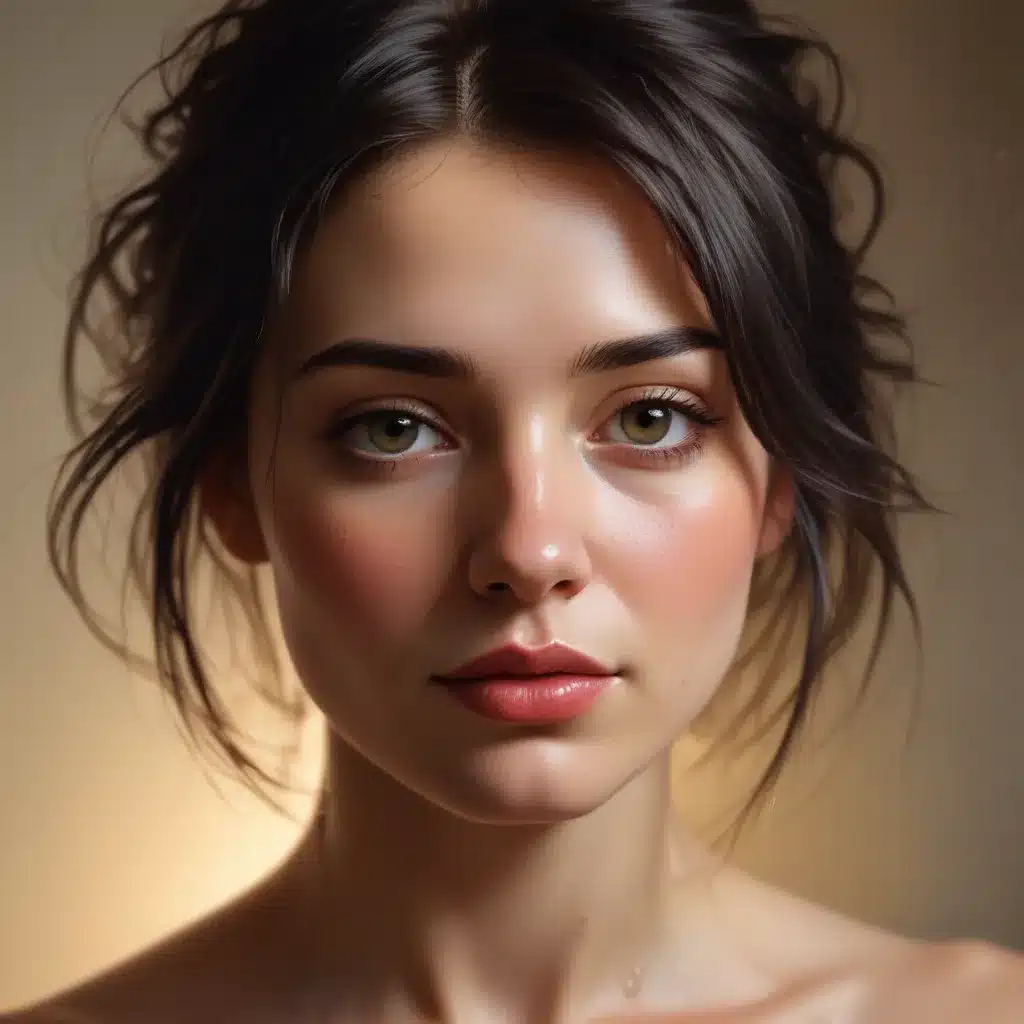
Art and Painting Techniques
Portrait Painting
As an experienced art writer and creative consultant, I’m excited to explore the captivating world of portrait painting. From the dynamic interplay of light and shadow to the emotive power of the human face, portraiture is a rich and expressive medium that allows artists to delve into the depths of the human experience.
Modern Painting Techniques
In the realm of contemporary portrait art, we’ve witnessed a remarkable evolution in both skill and artistic vision. Gone are the days of stiff, formal likenesses; today’s portrait painters embrace a more fluid, interpretive approach, using the canvas as a vessel for conveying the emotional essence of their subjects. Techniques like impasto brushwork, palette knife rendering, and expressive color palettes have become hallmarks of this modern aesthetic, allowing artists to imbue their works with a tangible sense of energy and dynamism.
Emotional Expressiveness in Portrait Art
At the heart of this modern portraiture movement is a deep fascination with the human condition. Artists are no longer content with simply capturing a physical likeness; they strive to delve into the inner lives of their subjects, revealing the subtle nuances of personality, mood, and emotional state. Through thoughtful composition, masterful use of color and light, and a keen understanding of facial anatomy, these portrait painters are able to craft images that resonate on a visceral level, inviting the viewer to engage in a profound emotional exchange.
Lighting and Shadows in Portraiture
One of the most powerful tools in the portrait painter’s arsenal is the strategic use of light and shadow. By manipulating the interplay of illumination and darkness, artists can evoke a wide range of moods and atmospheres, from the warm, inviting glow of natural daylight to the dramatic, moody chiaroscuro of a dimly lit studio setting. The placement and quality of light can dramatically influence the emotional impact of a portrait, drawing the viewer’s eye to the most expressive features while shrouding the rest in mystery and introspection.
Drawing and Sketching
While the art of portrait painting continues to evolve, the foundational practice of drawing and sketching remains a vital part of the creative process. These preliminary studies not only help artists to capture the nuances of facial features but also serve as a crucial means of exploring artistic concepts and honing their observational skills.
Pencil Drawing Tutorials
When it comes to portrait drawing, the humble pencil is a remarkably versatile tool, allowing artists to explore a wide range of textures, tones, and values. From delicate, feathered lines to bold, sweeping strokes, the pencil’s ability to convey both subtle and dramatic effects makes it an invaluable medium for aspiring portrait artists. Through step-by-step pencil drawing tutorials, emerging artists can learn to master the techniques of capturing lifelike facial features, rendering expressive eyes, and translating the three-dimensional form of the head onto a two-dimensional surface.
Capturing Lifelike Facial Features
One of the key challenges in portrait drawing is the accurate representation of the human face. By developing a keen eye for proportions, contours, and subtle shadows, artists can breathe life into their drawings, creating a sense of depth, volume, and individual character. Mastering the nuances of facial anatomy, from the structure of the brow and nose to the placement of the lips and ears, is essential for producing convincing and expressive portraits.
Sketching as a Creative Process
Beyond the technical mastery of drawing, the act of sketching can also serve as a powerful creative process for portrait artists. By embracing a more spontaneous, intuitive approach, painters can tap into their subconscious, allowing their mark-making to be guided by instinct and emotion. This exploratory phase of conceptual ideation can inform the direction of a final painting, leading to unexpected discoveries and a heightened sense of artistic authenticity.
Artistic Design Principles
Composition and Balance
At the heart of any compelling portrait lies a masterful understanding of artistic design principles. From the careful arrangement of elements within the frame to the strategic use of color and contrast, the principles of composition and balance play a crucial role in determining the overall impact and emotional resonance of a portrait.
Visual Harmony
In the world of portraiture, the creation of a visually harmonious composition is paramount. By skillfully arranging the various elements within the frame – the subject’s posture, the placement of the facial features, the relationship between positive and negative space – artists can guide the viewer’s eye, establishing a sense of visual order and emotional balance. This harmonious composition not only serves to enhance the overall aesthetic appeal of the work but also helps to amplify the emotive power of the portrait, drawing the viewer into a deeper, more meaningful connection with the subject.
Rule of Thirds
One of the foundational principles of compositional design is the rule of thirds, which encourages artists to position the primary points of interest along the intersecting lines of an imaginary grid. By placing the subject’s eyes, for example, along these strategic points, the portrait painter can create a visually striking and psychologically engaging work of art, one that invites the viewer to explore the canvas and discover the nuances of the subject’s expression and emotional state.
Focal Points in Artwork
In addition to the overarching principles of visual harmony and balanced composition, the strategic placement of focal points within a portrait can also play a crucial role in directing the viewer’s gaze and highlighting the painting’s central narrative. Whether it’s the piercing intensity of the subject’s eyes, the soft, contemplative curve of the lips, or the elegant sweep of the sitter’s neck, the careful selection and emphasis of these focal points can elevate a portrait from a mere likeness to a captivating work of art, one that invites deeper introspection and emotional engagement.
Color Theory
The strategic use of color is another essential element in the creation of impactful portrait paintings. From the subtle, muted tones of a classical chiaroscuro study to the bold, expressive palettes of contemporary portraiture, the mastery of color theory can serve as a powerful tool for evoking mood, atmosphere, and emotional resonance.
Complementary Colors
One of the foundational principles of color theory is the concept of complementary colors – hues that sit opposite each other on the color wheel and, when used together, create a visually striking and emotionally charged contrast. In the realm of portrait painting, the strategic pairing of complementary colors can be leveraged to heighten the drama and intensity of a subject’s expression, whether it’s the cool, bluish shadows that accentuate the warmth of the skin tones or the vibrant, energetic highlights that dance across the features.
Moods and Emotions through Color
Beyond the technical application of color, portrait artists can also harness the inherent emotional qualities of various hues to imbue their work with a deeper sense of atmosphere and meaning. The rich, earthy tones of a sepia-toned portrait, for example, can evoke a sense of timelessness and introspection, while the jewel-toned brilliance of a contemporary painting can convey a sense of vibrancy and vitality. By thoughtfully considering the psychological associations and cultural symbolism of color, portrait painters can craft works that resonate on a deeply visceral level, inviting viewers to immerse themselves in the emotional world of the subject.
Chiaroscuro Techniques
One of the most renowned and influential color theories in the history of portraiture is the chiaroscuro technique, which relies on the strategic use of stark contrasts between light and shadow to create a dramatic, moody, and introspective aesthetic. By carefully orchestrating the interplay of illumination and darkness across the subject’s features, portrait painters can sculpt the face and imbue the work with a palpable sense of depth and atmosphere. This time-honored approach to color and lighting not only produces visually stunning results but also serves to amplify the emotive power of the portrait, inviting the viewer to ponder the depths of the subject’s inner world.
Creativity and Inspiration
Conceptual Ideation
At the heart of every captivating portrait lies a well-developed conceptual foundation, a rich tapestry of ideas, emotions, and artistic vision that informs the creative process from start to finish. Whether drawing inspiration from the human experience, exploring the nuances of the psyche, or delving into the timeless themes of the human condition, the portrait painter’s ability to cultivate and refine their conceptual ideation is essential for producing works that resonate on a profound level.
Creative Inspiration
For portrait artists, the wellspring of creative inspiration can come from a wide range of sources – from the observational study of the human form to the exploration of personal narratives and emotional experiences. By immersing themselves in the world around them, studying the subtleties of facial expressions, and engaging in introspective self-reflection, painters can tap into a rich well of conceptual ideas that can inform and elevate their artistic practice.
Interpreting the Human Form
One of the most enduring sources of inspiration for portrait painters is the human form itself, with all its intricate details, expressive capabilities, and underlying emotional resonance. By closely observing the contours of the face, the interplay of light and shadow, and the nuanced gestures of their subjects, artists can develop a profound understanding of the human form and its ability to convey the depths of the human experience.
Storytelling through Portraiture
In the realm of portrait painting, the creative act of storytelling can serve as a powerful means of connecting with the viewer and imbuing the work with a deeper sense of meaning. Whether through the exploration of personal narratives, the interpretation of historical figures, or the embodiment of universal human experiences, portrait painters can craft works that transcend the mere likeness, inviting the viewer to engage in a rich, multifaceted dialogue with the subject and the artist’s own creative vision.
Artistic Experimentation
In the ever-evolving world of portrait painting, the spirit of artistic experimentation is crucial for pushing the boundaries of the medium and uncovering new avenues of creative expression. From the bold, innovative brushwork of contemporary painters to the integration of mixed media techniques, the willingness to embrace the unknown and take calculated risks can lead to the discovery of transformative artistic breakthroughs.
Mixed Media Techniques
In the realm of portrait painting, the integration of mixed media techniques has emerged as a powerful means of expanding the creative vocabulary and imbuing the work with a heightened sense of depth and complexity. By combining traditional painting methods with unconventional materials and digital manipulations, artists can craft portraits that defy categorization, blurring the lines between realism and abstraction, figuration and expression.
Innovative Brushwork
One of the most dynamic and captivating aspects of contemporary portrait painting is the innovative use of brushwork, with artists leveraging the expressive potential of the medium to convey a wide range of emotions, textures, and atmospheric effects. From the bold, gestural strokes that capture the energy and dynamism of the human form to the delicate, feathered touches that render the soft, ethereal quality of skin, the mastery of brushwork has become a hallmark of the modern portrait painter’s arsenal.
Embracing Artistic Vulnerability
Underlying this spirit of artistic experimentation is a willingness to embrace vulnerability, to step outside the comfort zone and explore new creative frontiers. By shedding the constraints of technical perfection and engaging in a more intuitive, process-driven approach, portrait painters can tap into the wellspring of their own emotional experiences and creative impulses, forging a deeper, more authentic connection with both their subjects and their audience.
Throughout the rich tapestry of portrait painting, we find a captivating interplay of technical mastery and creative expression, where light and shadow, color and composition, and the exploration of the human form all converge to evoke profound emotional resonance. Whether you’re an aspiring artist seeking to hone your skills or an art enthusiast eager to delve deeper into the world of portraiture, the insights and tutorials found on Pencil and Paint Muse will serve as an invaluable resource for unlocking your creative potential and elevating your artistic practice.
Tip: Experiment with different media to discover your unique style