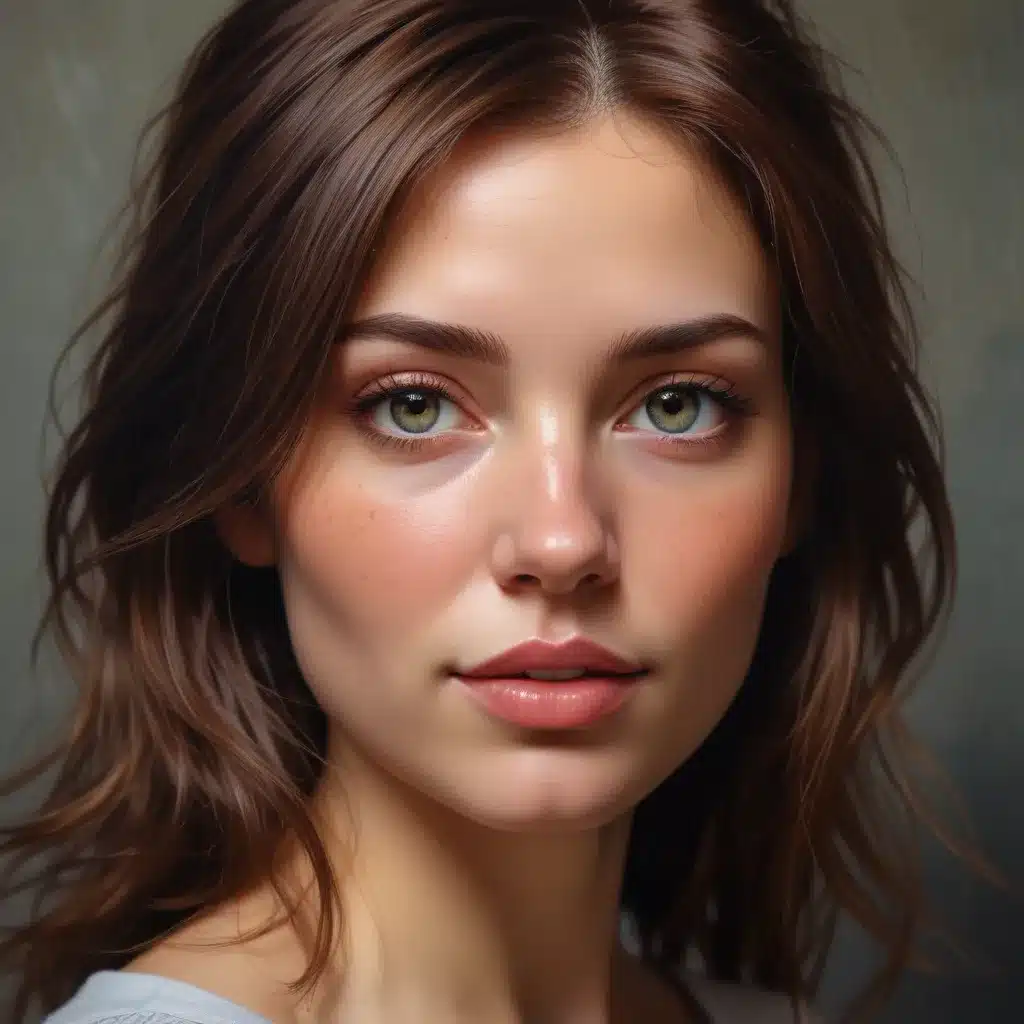
As an experienced art writer and creative consultant, I’m excited to share my insights on mastering the interplay of illumination and texture in oil painting for portraiture. This genre demands a delicate balance between technical prowess and artistic expression, allowing artists to capture the essence of their subjects in a captivating and lifelike manner.
Painting and Drawing
Oil Painting Techniques
Oil painting is a versatile medium that offers unparalleled control over color, texture, and blending. When applied skillfully, it can create a sense of depth, luminosity, and realism that captivates the viewer. The key to mastering oil portraiture lies in understanding how to manipulate the interplay of light and shadow, as well as the textural qualities of the paint itself.
Portraiture Fundamentals
Successful portraiture begins with a solid foundation in drawing and observation. Artists might want to possess a keen eye for capturing the unique features and proportions of their subject, as well as a deep understanding of facial anatomy and structure. Accurate rendering of the eyes, nose, mouth, and other defining characteristics is essential in creating a true likeness.
Mastering Texture and Illumination
The true magic of oil painting for portraiture, however, lies in the artist’s ability to imbue their work with a sense of radiant realism. By masterfully controlling the interplay of light and shadow, as well as the textural qualities of the paint, artists can breathe life into their subjects and evoke a palpable emotional response from the viewer.
Creative Process
Modern Painting Techniques
Contemporary oil painting techniques have evolved to offer a wide range of creative possibilities. From impasto application to glazing and scumbling, artists can experiment with various approaches to achieve their desired aesthetic. Understanding how to leverage these techniques to enhance the illusion of form, depth, and luminosity is crucial in creating captivating portraits.
Pencil Drawing Tutorials
While oil painting is the primary focus, it’s important to recognize the foundational role of pencil drawing in the portraiture process. Skilled artists often begin by capturing their subject’s likeness through preliminary sketches, honing their observational skills and refining the composition before translating it to the canvas.
Artistic Design Principles
Underlying all successful portraiture is a mastery of artistic design principles, such as balance, harmony, and composition. By thoughtfully arranging the elements within the frame, artists can direct the viewer’s eye, emphasize the focal point, and create a visually compelling and emotionally resonant work of art.
Artistic Inspiration and Exploration
Radiant Realism
The concept of radiant realism in portraiture is all about capturing the essence of the subject through a masterful interplay of light and texture. This approach goes beyond merely rendering a precise likeness; it’s about infusing the painting with a sense of life, personality, and emotional depth.
Capturing Light and Shadow
One of the key hallmarks of radiant realism is the artist’s ability to capture the nuances of light and shadow across the subject’s face and form. By understanding how light interacts with different surfaces and materials, artists can create the illusion of depth, volume, and a palpable sense of presence.
Expressive Brushwork
Equally important is the artist’s use of expressive brushwork to convey the textural qualities of the subject’s skin, clothing, and surrounding environment. From the delicate, translucent quality of eyelids to the rich, impastoed strokes that suggest the weave of a fabric, each brushstroke contributes to the overall sense of tactile realism.
Mastering Composition
Excellent portraiture is not just about the subject itself, but also the way the artist composes the overall image. Principles of balance, harmony, and perspective come into play, guiding the viewer’s eye and creating a visually compelling work of art.
Balance and Harmony
The judicious placement of elements within the frame, such as the subject’s pose, the background, and the use of negative space, all contribute to a sense of visual balance and harmony. This, in turn, enhances the overall impact and emotional resonance of the portrait.
Focal Points and Perspective
The strategic use of focal points and perspective can further elevate a portrait, drawing the viewer’s attention to the most important aspects of the subject and creating a sense of depth and three-dimensionality.
Artistic Skill Development
Observational Drawing
Mastering the art of portraiture begins with a deep understanding of observational drawing. By closely studying the features, proportions, and subtle details of the human face and form, artists can develop the skills necessary to capture a true likeness and a palpable sense of presence.
Capturing Likeness
Achieving a faithful likeness is a crucial aspect of portraiture, requiring an acute eye for detail and a solid grasp of facial anatomy and proportions. Through careful observation and iterative sketching, artists can refine their ability to render the unique characteristics of their subject.
Anatomy and Proportions
A strong foundation in human anatomy and proportional relationships is essential for creating convincing and lifelike portraits. Understanding the underlying structure of the face and body allows artists to depict their subjects with accuracy and authenticity.
Color Theory
The strategic use of color is a vital component of radiant realism in portraiture. By selecting a thoughtful palette and mastering the art of color mixing, artists can create the illusion of depth, luminosity, and textural variation.
Palette Selection
Choosing the right palette of colors is crucial in portraiture, as it can dramatically influence the mood, atmosphere, and overall aesthetic of the painting. Artists might want to carefully consider the undertones, temperatures, and relationships between colors to achieve their desired effect.
Mixing and Application
The way in which colors are mixed and applied to the canvas can further enhance the radiant quality of a portrait. Techniques such as glazing, scumbling, and impasto allow artists to manipulate the interplay of light and shadow, creating a sense of depth and luminosity.
Tutorials and Guidance
Step-by-Step Demonstrations
Learning from experienced artists is an invaluable way for aspiring portraitists to develop their skills. Following along with step-by-step demonstrations can provide a clear understanding of the technical and creative process involved in creating captivating oil paintings.
Sketching and Underpainting
The foundation of a successful portrait begins with the initial sketching and underpainting stages. Artists might want to learn how to accurately transfer their subject’s likeness to the canvas and establish a solid tonal foundation before moving on to the color layers.
Layering and Refinement
The true magic of radiant realism in portraiture often happens in the layering and refinement stages. Here, artists might want to carefully balance the interplay of light, shadow, and texture to bring their subject to life, while also considering the overall composition and artistic vision.
Creative Exercises
Alongside technical instruction, it’s essential for aspiring artists to engage in creative exercises that challenge them to explore new techniques and experiment with different approaches.
Studies from Life
Painting or drawing studies from life, whether from a live model or photographic reference, can be an invaluable way to hone observational skills, develop an eye for detail, and deepen one’s understanding of the human form.
Experimentation with Materials
Embracing the versatility of oil paint and exploring different painting techniques can also be a rewarding way for artists to find their unique artistic voice and push the boundaries of what’s possible in portraiture.
By delving into the interplay of illumination and texture, aspiring artists can unlock the radiant realism that captivates viewers and elevates the art of portraiture. Through a combination of technical mastery, creative exploration, and a deep understanding of the human form, the journey towards radiant realism in oil painting is both challenging and immensely rewarding.
Tip: Practice daily sketching to continually refine your technique