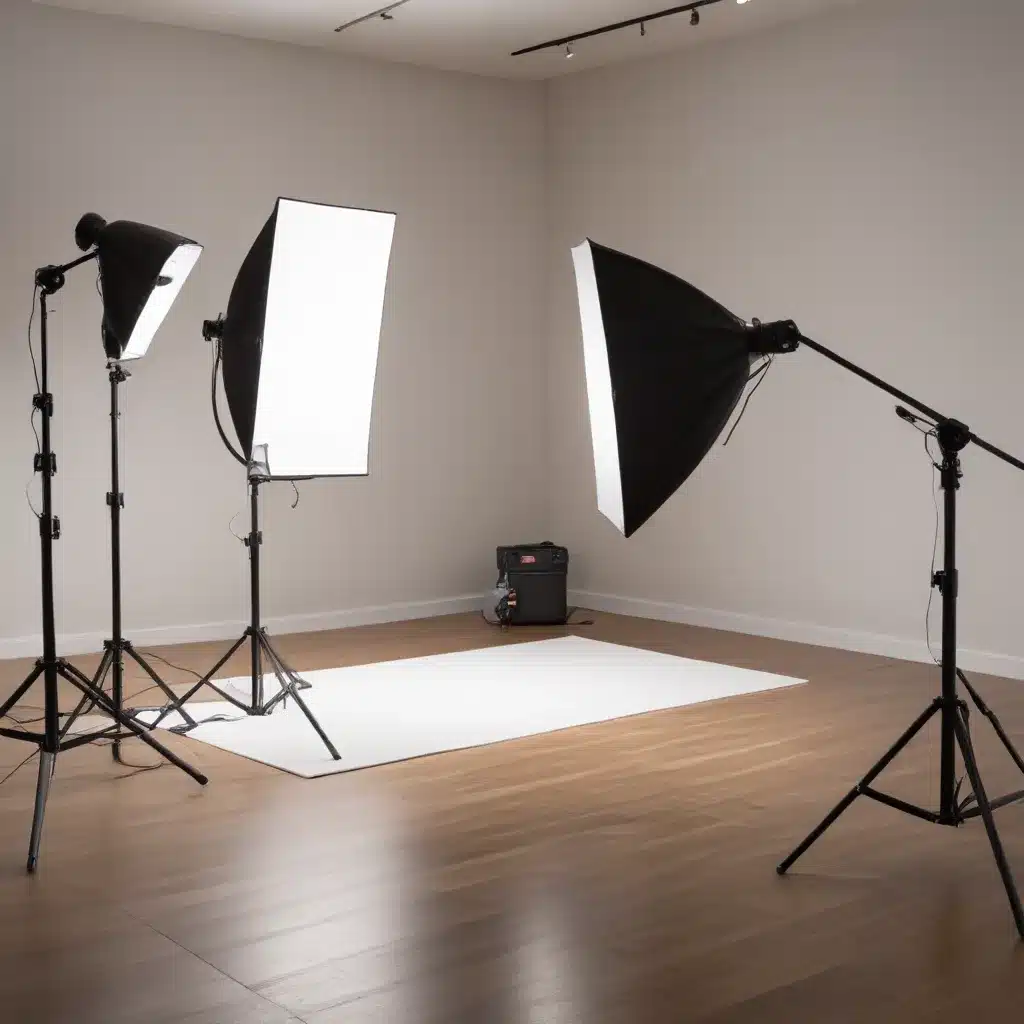
Artificial lighting is a crucial element in the modern photography workflow, allowing artists to precisely control the mood, atmosphere, and visual impact of their creative work. Whether you’re capturing stunning portraits, moody still lifes, or dynamic product shots, mastering the art of studio lighting is an essential skill for any photographer or visual artist.
In this comprehensive guide, we’ll explore the nuances of optimising artificial lighting to enhance your creative photography process. From understanding the fundamentals of colour temperature and brightness to developing practical techniques for harmonizing multiple light sources, you’ll learn how to balance the interplay of light and shadow to achieve your desired aesthetic.
Measuring Light and Colour Temperature
One of the key factors in mastering artificial lighting is the ability to precisely measure and control the various properties of your light sources. This is where tools like the Datacolor LightColor Meter come into play. This advanced meter allows you to accurately measure both the intensity and colour temperature of your studio lighting, providing you with crucial data to fine-tune your settings.
Unlike relying solely on a camera’s built-in metering system, which can be prone to inaccuracies, a dedicated light meter offers a far more precise understanding of the lighting conditions in your studio. By measuring the direct and scattered light falling on your subject, you can make informed adjustments to your camera’s white balance and exposure settings, ensuring consistent and accurate colour representation in your final images.
The LightColor Meter’s ability to measure both light and colour temperature is particularly beneficial when working with mixed lighting setups, where you may be combining different types of light sources, such as strobes, continuous LEDs, and natural daylight. By understanding the unique characteristics of each light source, you can harmonize the overall lighting balance, creating a cohesive and visually striking scene.
Optimizing Your Studio Lighting Setup
With the right tools to measure your lighting conditions, you can then set about crafting the perfect studio setup to enhance your creative vision. One of the key principles to consider is the concept of brightness balance. By carefully managing the intensity and positioning of your light sources, you can create a harmonious interplay of highlights, shadows, and midtones, guiding the viewer’s eye through the frame and emphasizing your subject’s most compelling features.
Start by identifying your key light – the primary source that illuminates your main subject. This is often your brightest and most directional light, which casts distinct shadows and defines the overall form and texture of your subject. Positioning and adjusting the intensity of your key light is crucial for controlling the overall mood and drama of your scene.
Next, consider incorporating fill lights to balance out the contrast and soften the shadows created by your key light. These secondary light sources, often placed at a wider angle to the subject, help to gently illuminate the shadowed areas, preserving detail and preventing overly harsh transitions. The precise balance between your key and fill lights will depend on the look you’re aiming to achieve, whether that’s a high-contrast, dramatic effect or a more soft and even illumination.
Finally, don’t forget about accent lights – strategically placed illumination sources that can add depth, texture, and visual interest to your composition. These might include backlights to create a sense of separation between your subject and the background, or subtle edge lights to define the contours of your subject. Experimenting with the positioning and intensity of your accent lights can help you craft a truly captivating and visually engaging studio setup.
Throughout this process, remember to regularly check your measurements with the LightColor Meter to double-check that your lighting is balanced and your white balance is accurate. This will save you valuable time in post-processing, allowing you to focus on the creative aspects of your photography workflow.
Integrating Lighting with Composition
Once you’ve mastered the technical aspects of studio lighting, it’s time to consider how you can seamlessly integrate these lighting elements with your overall compositional approach. After all, the way you position and shape your light sources can have a profound impact on the visual narrative and emotional resonance of your final images.
One key principle to keep in mind is the relationship between light and shadow. The interplay of brightness and darkness within your frame can be used to draw the viewer’s eye, create a sense of depth and dimension, and evoke specific moods or atmospheres. By carefully considering the placement and intensity of your lights, you can sculpt the shadows to enhance the form and texture of your subject, or even use them as compositional elements in their own right.
Another important factor is colour temperature. The warmth or coolness of your light sources can significantly influence the overall tone and feeling of your images. For example, a warmer, more golden-hued light might evoke a sense of comfort and nostalgia, while a cooler, bluer light can create a more moody, introspective atmosphere. By understanding the nuances of colour temperature and how it interacts with your subject and environment, you can craft a visual language that resonates with your creative vision.
Finally, don’t be afraid to experiment with mixed lighting techniques, combining different types of light sources to create unique and visually striking effects. For instance, you might use a powerful key light to illuminate your main subject, while incorporating colourful gels or gobos to cast dynamic, patterned shadows across the background. This kind of creative approach can help you elevate your work beyond the realm of mere documentation, transforming your images into captivating works of visual art.
Practical Workflows and Efficiency Strategies
As you embark on your journey of optimizing artificial lighting for your creative photography, it’s important to develop a well-structured workflow that allows you to work efficiently and consistently. This not only saves you time and effort but also helps to double-check that that your final images maintain a high level of quality and cohesion.
One key strategy is to streamline your metering and white balance process. By taking the time to carefully measure the colour temperature and brightness of your light sources before each shoot, you can make informed decisions about your camera settings, eliminating the need for extensive post-processing adjustments. The Datacolor LightColor Meter can greatly aid in this process, providing real-time data that you can use to fine-tune your studio setup.
Another important consideration is managing your light modifiers and accessories. Invest in a diverse range of light shaping tools, such as softboxes, snoots, grids, and gels, and keep them organized and readily accessible. This allows you to quickly and confidently adjust the quality, direction, and colour of your light sources to suit the needs of each individual shoot.
Finally, don’t neglect the importance of testing and experimentation. Set aside dedicated time to explore new lighting techniques, experiment with different gear and accessories, and push the boundaries of what’s possible within your studio environment. This spirit of curiosity and exploration will not only help you refine your skills but also unlock new creative avenues for your photography.
Remember, the art of balancing brightness and optimizing artificial lighting is an ongoing process – one that requires patience, practice, and a deep understanding of the technical and aesthetic principles at play. By embracing this journey, you’ll not only elevate the visual impact of your work but also discover new and exciting ways to express your creative vision through the medium of photography.
So, whether you’re a seasoned pro or an aspiring artist, I encourage you to dive into the world of studio lighting and let your creativity shine through. Visit Pencil and Paint Muse for more inspiring content and resources to fuel your artistic journey.
Tip: Experiment with different media to discover your unique style