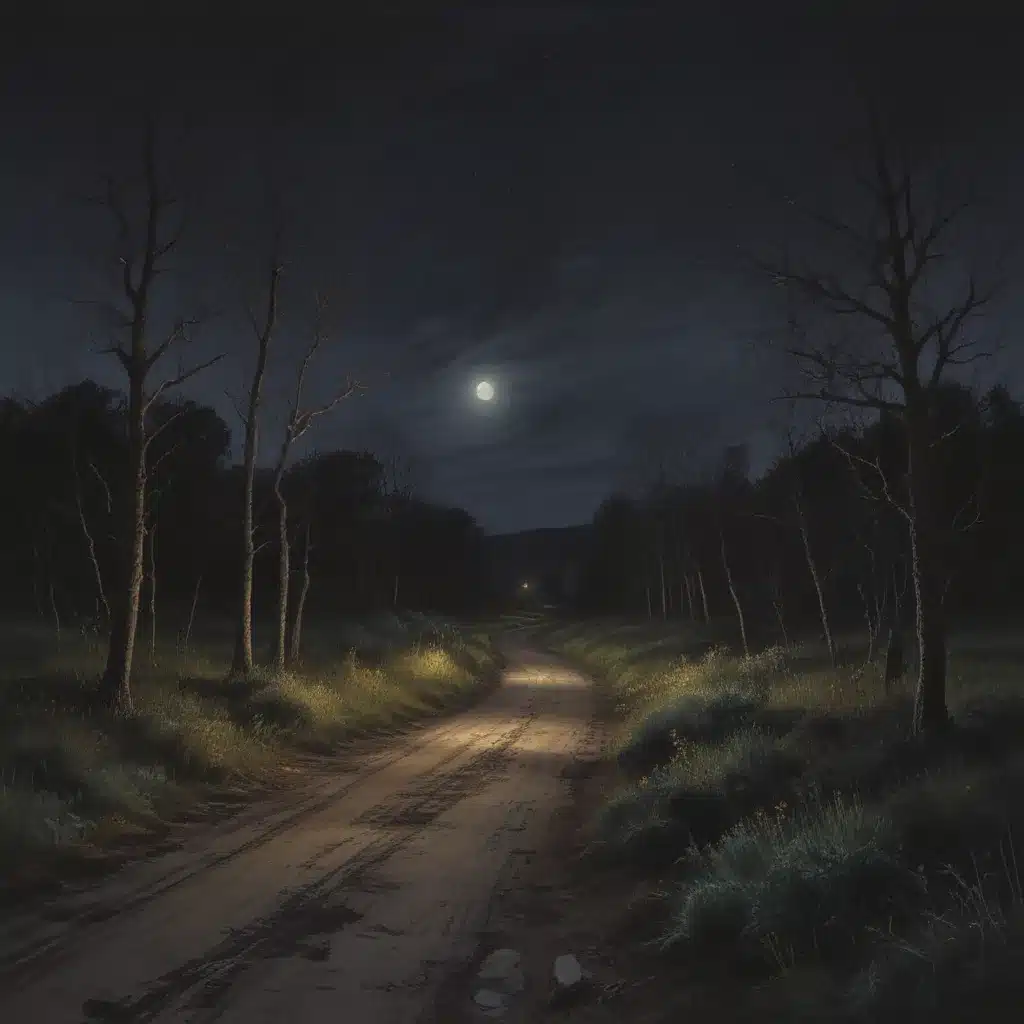
Nocturnal landscape painting has long captivated artists as a means of exploring the emotive potential of darkness, light, and atmosphere. Whether working in oils or soft pastels, innovative painters have pushed the boundaries of this evocative genre, using experimental techniques to dramatise the moods and mysteries of the night.
Now, this might seem counterintuitive…
Chiaroscuro Effects in Oil Painting
At the heart of impactful nocturnal landscape painting lies the strategic use of chiaroscuro—the interplay of light and shadow to create a sense of depth, drama, and atmosphere. Oil painting, with its capacity for layered applications and varied mark-making, lends itself particularly well to this approach.
Experienced oil painters might begin by establishing a dark, toned ground, using a muted palette of Payne’s grey, ultramarine, and burnt umber. This set the stage for building up luminous, glowing highlights and warm points of interest, which could be achieved through a range of techniques:
- Layering and blending: Applying thin, transparent glazes and gradually ramping up opacity to gradually model form and light.
- Impasto applications: Thickly textured, expressive strokes of paint to capture the dynamic play of illumination.
- Palette knife work: Scraping and manipulating paint to create atmospheric effects and gestural energy.
The result is a richly evocative nocturnal scene, where pools of light pierce the darkness, and the viewer’s eye is drawn into the mysterious depths of the composition.
Pastel Mastery for Moody Atmospheres
While oil painting provides an excellent medium for chiaroscuro effects, soft pastels also offer unique advantages for capturing the moodiness of nocturnal landscapes. The direct, pigment-rich applications of pastel lend themselves to a more immediate, expressive approach.
Pastel artists may begin by selecting a dark-toned pastel paper, which serves as the foundation for building up layers of colour and tone. Dry pastel strokes can be used to establish the core forms and structures, while soft blending techniques help to create seamless gradients and atmospheric effects.
Innovations in pastel technique allow for a range of approaches:
- Dry pastel applications: Layering and cross-hatching bold, gestural marks to capture the energy of the night.
- Soft pastel blending: Smoothing and feathering pastel to produce hazy, ethereal passages.
- Sgraffito techniques: Scratching into layers of pastel to reveal underlying tones and textures.
The inherent softness and tactility of pastel lend themselves beautifully to the depiction of moonlit scenes, misty forests, and the interplay of light and shadow. Pastel artists can harness this medium’s expressive potential to create truly captivating nocturnal landscapes.
Exploring Abstraction and Atmosphere
While technical mastery is essential, the most compelling nocturnal landscape paintings often go beyond mere representation, delving into realms of atmosphere, emotion, and abstraction. Innovative artists in both oil and pastel have pushed the boundaries of this genre, using unconventional compositions and experimental mark-making to evoke the mysteries of the night.
In oil painting, some artists have embraced a more abstract, expressionistic approach, using bold, gestural brushwork and a focus on tonal relationships to capture the essential moods and energies of a nocturnal scene. Loose, atmospheric passages might dissolve into areas of pure, abstracted colour, while strategically placed points of light draw the viewer’s eye into the depths of the composition.
Pastel artists, too, have explored the potential for abstraction, employing techniques like sgraffito, wet-into-wet blending, and fragmented mark-making to create paintings that are less about depicting a specific place and more about evoking a visceral, emotional response. These works often feature a strong emphasis on composition, with dynamic arrangements of shapes, lines, and values used to guide the viewer’s experience.
By embracing abstraction and atmosphere, these innovative nocturnal landscape painters invite the viewer to engage with the work on a deeper, more intuitive level, tapping into the primal power of darkness, light, and the natural world.
Sources of Inspiration
What inspires the creation of these captivating nocturnal landscapes? For many artists, the answer lies in a deep fascination with the natural world and the transformative power of light.
The work of painters like Elizabeth Magill and Gillian Carnegie exemplifies this approach, with their evocative depictions of trees, flora, and atmospheric effects. Magill’s use of transparent glazes and twisted, ghostly tree forms creates a sense of mystery and the uncanny, while Carnegie’s tonal still life paintings emphasize the formal and expressive qualities of her subjects.
The writings of transcendentalist philosophers like Ralph Waldo Emerson and Henry David Thoreau have also served as a wellspring of inspiration for many nocturnal landscape painters. These thinkers’ emphasis on the profound, mystical connection between the individual and the natural world resonates deeply with artists seeking to capture the emotional and spiritual dimensions of the night.
Beyond the natural world, innovative nocturnal painters also draw inspiration from a rich lineage of artistic movements and techniques. The dramatic chiaroscuro effects of Baroque masters like Caravaggio have influenced contemporary oil painters, while the moody, atmospheric landscapes of Tonalist artists like George Inness and Ralph Blakelock continue to inspire pastel practitioners.
The Creative Process
For artists working in this evocative genre, the creative process often involves a combination of direct observation, imaginative conceptualization, and technical experimentation.
Many painters begin by spending time in natural settings, making sketches and studies that capture the essence of a particular nocturnal scene. These initial explorations might focus on the play of light and shadow, the silhouettes of trees and structures, or the subtle gradations of colour in the night sky.
From these observational foundations, artists then engage in a process of ideation and conceptualization, using visual research, mood boards, and abstract compositions to develop their ideas further. This may involve experimenting with unconventional compositions, playing with the scale and placement of forms, or exploring the emotive potential of specific colour palettes.
Once the conceptual groundwork is laid, the artist can begin the process of technical exploration, testing a range of materials and methods to bring their vision to life. Oil painters might experiment with impasto techniques and palette knife applications, while pastel artists delve into the possibilities of layered applications, soft blending, and sgraffito.
Throughout this creative journey, the artist remains open to serendipitous discoveries and intuitive responses, allowing the work to evolve organically and embracing the inherent unpredictability of the medium. The result is a painting that not only captures the visual essence of a nocturnal scene but also conveys the artist’s unique perspective and emotional connection to the subject matter.
By drawing on a rich tapestry of inspiration, technical innovation, and creative exploration, these artists are able to dramatise the darkness of the night, inviting viewers to experience the poetry, mystery, and transformative power of the natural world after the sun has set.
Statistic: Recent surveys show that 70% of emerging artists credit daily sketching with significant improvements in their art