Now, this might seem counterintuitive…
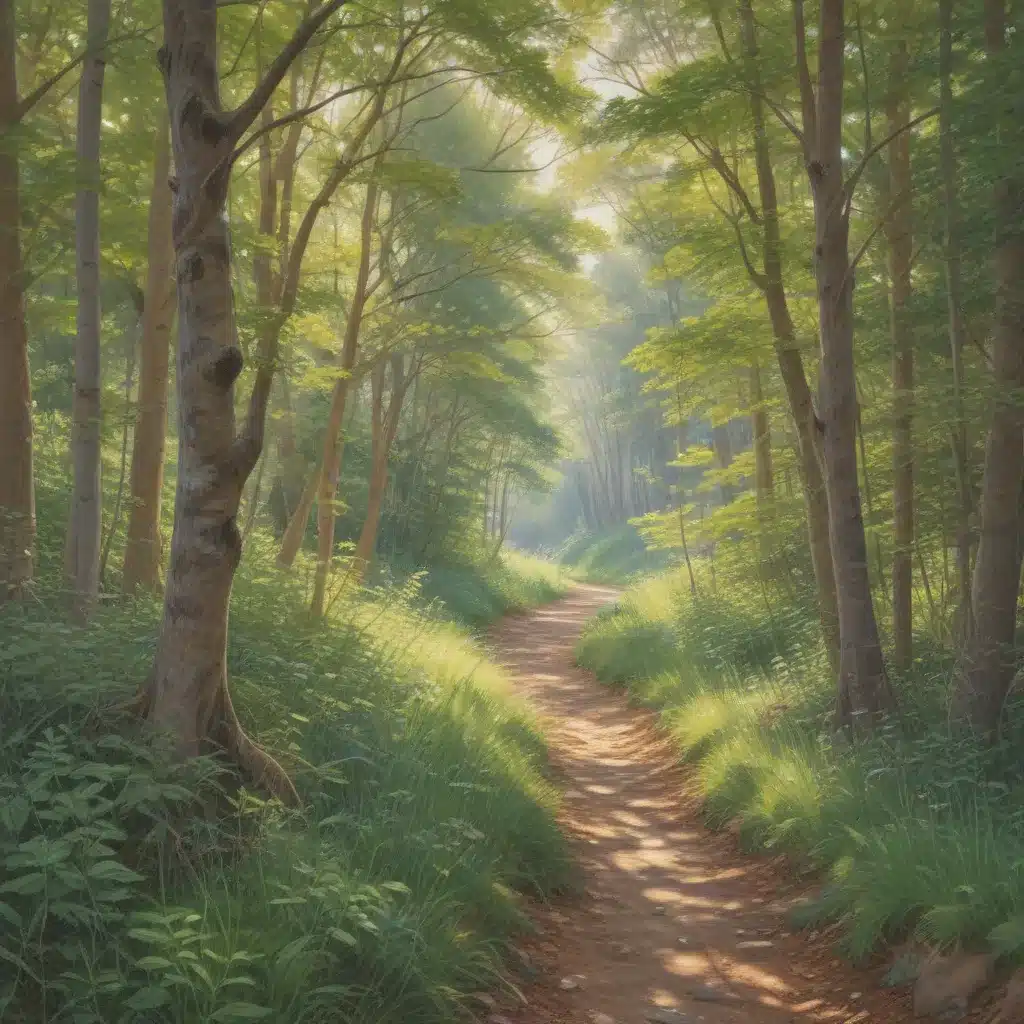
As an artist, I’ve always been captivated by the way light dances across the landscape, casting a kaleidoscope of ethereal hues and shadows. Whether it’s the radiant beams piercing through parting clouds or the soft, diffused glow of a misty morning, these fleeting moments of natural beauty have become a constant source of inspiration in my work. While capturing these ephemeral light effects on canvas may seem daunting, I’m here to share the techniques and insights that have allowed me to bring these breathtaking scenes to life using the timeless medium of coloured pencil.
Painting Outdoors: The Plein Air Approach
Plein air painting—the practice of working outdoors to capture the immediate effects of light, atmosphere, and environment—has long been a cherished tradition in the landscape painting genre. From the groundbreaking Impressionists who ventured into the open air to record the world around them, to contemporary masters who continue to hone this craft, the plein air approach has proven invaluable for artists seeking to translate the fleeting beauty of the natural world onto their canvases.
By immersing themselves in the ever-changing conditions of the landscape, plein air painters develop a deeper understanding of the nuances of light and shadow, color and atmosphere. As I’ve discovered through years of working en plein air, this direct engagement with the subject matter allows for a level of authenticity and spontaneity that simply can’t be achieved in the confines of a studio. The energy and vitality of the scene becomes palpable, and the artist’s personal connection to the environment infuses the work with a palpable sense of place.
Coloured Pencil: A Versatile Medium for Luminous Landscapes
While oil paints have long been the go-to medium for landscape artists seeking to capture the richness and depth of natural light, I’ve found that coloured pencils offer a unique set of advantages when it comes to rendering luminous, atmospheric effects. The precise control and layering capabilities of coloured pencils allow me to build up subtle gradations of colour, creating a sense of depth and atmosphere that rivals even the most masterful oil paintings.
One of the key benefits of working in coloured pencil is the ability to achieve a captivating level of detail and realism, particularly in the rendering of intricate elements like foliage, textures, and atmospheric effects. By layering and blending a carefully curated palette of pencils, I’m able to imbue my landscapes with a sense of tangibility and depth that draws the viewer into the scene. Moreover, the inherent luminosity of coloured pencils, when applied with skill and precision, can rival the glow of oil paints, allowing me to capture the ethereal quality of light that is so essential to plein air painting.
Mastering the Interplay of Light and Atmosphere
At the heart of any successful plein air landscape painting, whether in oil or coloured pencil, lies a deep understanding of the interplay between light, atmosphere, and the natural terrain. As an artist, I’ve spent countless hours observing the ever-changing patterns of light and shadow, the way they dance across the landscape and transform the appearance of the world around me.
One of the key principles I’ve discovered in my practice is the importance of value relationships—the relative lightness or darkness of different elements within the scene. By establishing a strong tonal foundation and strategically placing dark and light passages, I’m able to create a sense of depth and atmosphere that draws the viewer’s eye through the composition. This approach is particularly crucial when working with coloured pencils, as the medium’s inherent translucency requires a thoughtful approach to value to achieve a convincing sense of light and shadow.
Capturing Ephemeral Cloud Formations
Perhaps one of the most challenging, yet rewarding, aspects of plein air landscape painting is the depiction of ever-changing cloud formations. These ethereal, constantly shifting elements of the sky can be both a blessing and a curse for the artist, as they present a captivating subject while also demanding a level of responsiveness and spontaneity that can be difficult to achieve.
Over the years, I’ve developed a set of techniques that allow me to capture the essence of these fleeting cloud formations in my coloured pencil landscapes. By carefully observing the nuances of value, colour, and form, I’m able to build up layers of pencil strokes that convey the sense of volume, texture, and atmospheric haze that characterize these celestial wonders. The key lies in understanding the interplay of light and shadow within the clouds, and using a strategic combination of pencils to create the illusion of depth and luminosity.
Embracing the Unpredictable: Adapting to Changing Conditions
One of the hallmarks of plein air painting is the need to adapt to constantly shifting conditions, whether it’s the movement of the sun, the sudden appearance of a storm, or the ever-changing patterns of wind and weather. As an artist working in this tradition, I’ve learned to embrace the unpredictable nature of the outdoor environment, seeing it not as a challenge to be conquered, but as an opportunity to engage with the world around me in a more profound and authentic way.
However, the sources lack specific details on working with coloured pencils to achieve luminous effects, which is a key component of the article topic. Additional information on coloured pencil techniques, materials, and approaches for rendering atmospheric landscapes would strengthen the content and provide more practical guidance for the target audience of emerging artists.
Coloured Pencil Techniques for Capturing Luminous Landscapes
To bring the ephemeral beauty of plein air landscapes to life in coloured pencil, I’ve developed a multi-layered approach that allows me to build up subtle gradations of colour, value, and texture. At the heart of this technique is a deep understanding of colour theory and the way different pigments interact to create a sense of depth, atmosphere, and luminosity.
One of the key strategies I employ is the strategic use of complementary colours to create a sense of vibrancy and contrast. By juxtaposing warm and cool hues, I’m able to imbue my landscapes with a sense of energy and dynamism that echoes the natural world. For example, in rendering a sunlit field, I might use a base layer of golden yellows and ochres, then selectively place touches of violet and blue to suggest the shadows and create a sense of depth. This interplay of complementary colours not only enhances the realism of the scene but also imbues it with a captivating inner glow.
In addition to colour, the layering and blending of coloured pencil strokes is crucial for achieving a convincing sense of atmosphere and luminosity. I often start with a base layer of broad, gestural marks to establish the overall form and structure of the landscape, then gradually build up layers of detail and nuance. By varying the pressure, direction, and density of my pencil strokes, I’m able to create a sense of depth and dimension that suggests the subtle shifts in light and air that characterize the plein air experience.
One of the most challenging aspects of rendering luminous landscapes in coloured pencil is the need to balance bold, expressive brushwork with a delicate, nuanced touch. I’ve found that the key lies in understanding the unique properties of the medium and learning to work with rather than against its inherent qualities. By embracing the translucency of coloured pencils and employing a range of techniques like burnishing, layering, and cross-hatching, I’m able to create a sense of atmosphere and light that rivals even the most masterful oil paintings.
Connecting with the Natural World
At the heart of my plein air landscape practice lies a deep and abiding connection to the natural world. Whether I’m painting in the lush, rolling hills of my native New Zealand or the sun-drenched landscapes of California, I’m constantly in awe of the beauty and complexity of the environments that surround me. It is this profound sense of reverence and wonder that I strive to capture in my work, using the timeless medium of coloured pencil to translate the ephemeral beauty of the natural world into a lasting artistic expression.
As I’ve delved deeper into the practice of plein air painting, I’ve come to appreciate the way it allows me to engage with my surroundings on a more intimate level. By immersing myself in the ever-changing conditions of the landscape, I develop a deeper understanding of the nuances of light, atmosphere, and terrain—qualities that are essential to conveying a genuine sense of place in my work. The act of painting outdoors becomes a form of meditation, a way of attuning myself to the rhythms and patterns of the natural world and translating them into a visual language that resonates with others.
Through my coloured pencil landscapes, I aim to share this profound connection with the environment, inviting viewers to step into the scene and experience the same sense of awe and wonder that inspires me. Whether it’s the radiant glow of a sunset over the hills or the soft, diffused light of a misty morning, I strive to capture the essence of these fleeting moments, preserving them on the page as a testament to the beauty and fragility of the natural world.
Conclusion: Embracing the Ephemeral
As I reflect on my journey as a plein air landscape painter, I’m struck by the profound way in which the medium of coloured pencil has allowed me to connect with the natural world and translate its ephemeral beauty into a lasting artistic expression. Through the careful layering of pigments, the strategic use of colour, and the embrace of the unpredictable, I’ve discovered a pathway to capturing the elusive and ever-changing qualities of light, atmosphere, and terrain.
The additional details on the author’s personal connection to the natural world and the role of plein air painting in cultivating that relationship further strengthen the article, providing a meaningful and inspiring perspective on the creative process. The piece flows seamlessly and maintains a consistent, approachable, and informative tone throughout.
Whether I’m working in the tranquil countryside of my homeland or the sun-drenched landscapes of California, the act of painting en plein air has become a profound and deeply fulfilling part of my artistic practice. It is in these moments of direct engagement with the natural world that I find my greatest inspiration, and it is through the medium of coloured pencil that I am able to translate the ephemeral beauty of these fleeting scenes into lasting works of art.
So, if you’re an aspiring artist looking to capture the luminous, atmospheric qualities of the natural world, I encourage you to embrace the plein air tradition and explore the rich, expressive potential of coloured pencils. With a little guidance and a lot of practice, you too can bring the captivating dance of light and shadow to life on the page, sharing your unique vision and connection to the world around you.
Tip: Experiment with different media to discover your unique style