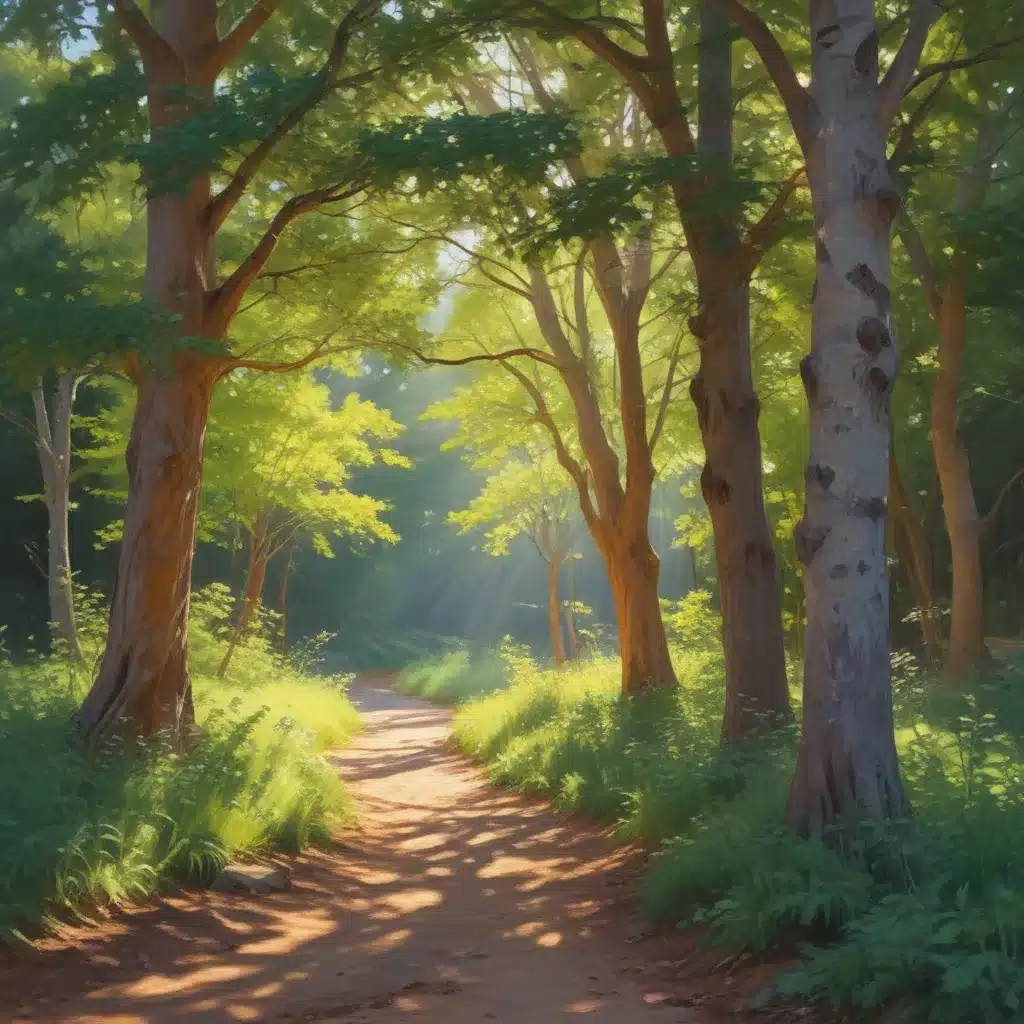
The world of art is a symphony of ever-evolving techniques, each one offering a unique lens through which to interpret the beauty of our surroundings. We learned this the hard way… Among the most captivating and transformative approaches is the art of plein air painting – the practice of painting outdoors, directly in the presence of the subject. This immersive method has revolutionized the way artists perceive and convey the fleeting, luminous qualities of the natural world.
Now, this might seem counterintuitive…
Embracing the Ephemeral
At the heart of plein air painting lies a deep reverence for the ephemeral nature of light and atmosphere. Unlike the controlled confines of the studio, the outdoor environment presents a constantly shifting canvas, with sunlight flickering, shadows dancing, and weather patterns in constant flux. It is this very impermanence that challenges and inspires artists to capture the essence of a moment, rendering the elusive and ethereal qualities of a scene with brushstrokes that brim with energy and immediacy.
The pioneers of this approach, the French Impressionists, recognized the transformative power of painting en plein air. Liberated from the constraints of the studio, they ventured forth into the countryside and bustling cities, their canvases becoming a stage for the interplay of light, color, and atmosphere. Artists like Claude Monet, Auguste Renoir, and Camille Pissarro embraced the unpredictability of their surroundings, allowing the ever-changing conditions to guide their creative process.
Monet, in particular, was renowned for his dedicated exploration of a single subject, such as his iconic series depicting the Rouen Cathedral or the water lilies of his beloved Giverny. By revisiting these motifs time and again, he sought to distill the nuances of light and color, revealing the inherent lyricism of the natural world. His paintings, with their shimmering surfaces and dazzling brushwork, invite the viewer to experience the scene as if through the artist’s own eyes, immersed in the luminous splendor of the moment.
The Allure of Atmospheric Effects
The plein air approach not only challenged artists to work with greater immediacy but also compelled them to develop innovative techniques to capture the essence of their subjects. One of the most captivating aspects of this style is the way in which artists render the atmospheric effects that permeate the outdoor environment.
Whether it’s the hazy softness of a summer morning, the crisp clarity of a winter day, or the enveloping mist of a seaside scene, plein air painters have a unique ability to distill these ephemeral qualities onto the canvas. Through the strategic application of paint, they conjure a palpable sense of place, inviting the viewer to feel the warmth of the sun, the chill of the breeze, or the dampness of the air.
The Impressionists’ use of color was particularly revolutionary in this regard, as they abandoned the traditional earth-toned palettes in favor of vibrant, pure hues that danced across the surface. By applying paint in short, broken brushstrokes, they were able to capture the interplay of light and atmosphere, creating a sense of shimmering, luminous energy.
In the work of artists like Alfred Sisley, this approach is particularly evident, as he masterfully rendered the shifting moods of the river and sky, his paintings imbued with a tranquil, lyrical quality. Berthe Morisot, one of the few prominent female Impressionists, brought a unique perspective to the genre, infusing her domestic and garden scenes with a sense of intimate, reflective calm.
Expanding the Possibilities of Plein Air
The legacy of plein air painting extends far beyond the Impressionist movement, as subsequent generations of artists have built upon the foundations laid by their predecessors. Post-Impressionist painters like Georges Seurat and Paul Cézanne further explored the expressive potential of the medium, experimenting with new techniques and approaches.
Seurat’s Pointillist style, for example, utilized the systematic application of tiny dots of pure color, which, when viewed from a distance, created a shimmering, atmospheric effect. Cézanne, on the other hand, developed a more structured, geometric approach to landscape painting, capturing the essential forms and volumes of the natural world with a heightened sense of solidity and depth.
These innovations paved the way for the emergence of modern art, as artists continued to push the boundaries of what was possible in plein air painting. The Fauves, with their bold, expressive use of color, and the Cubists, who fractured the landscape into dynamic, angular compositions, all drew inspiration from the insights and techniques pioneered by the Impressionists and their successors.
Cultivating the Plein Air Mindset
The allure of plein air painting extends beyond its technical mastery, as it represents a profound shift in the way artists engage with their environment. By embracing the unpredictable and ever-changing nature of the outdoors, plein air painters develop a unique mindset, one that is characterized by a heightened sense of presence, observation, and responsiveness.
This immersive approach to art-making encourages artists to be attuned to the subtleties of their surroundings, to attune their senses to the nuances of light, color, and atmosphere. It is a practice that demands a deep level of engagement, requiring the artist to be fully present in the moment, open to the serendipitous moments that arise and the unexpected influences that shape their creative process.
In this way, plein air painting becomes not just a technical endeavor but a meditative practice, a means of cultivating a deeper connection with the natural world. The artist’s role is transformed, from that of a passive observer to an active participant in the unfolding drama of the landscape, their brushstrokes becoming a lyrical expression of their lived experience.
Embracing the Ephemeral in Modern Practice
As the art world continues to evolve, the enduring influence of plein air painting can be seen in the work of contemporary artists who remain dedicated to this immersive approach. From the luminous, atmospheric landscapes of Janise Yntema to the expressive, gestural studies of Hans Vandekerckhove, the spirit of the Impressionists lives on, inspiring a new generation of artists to embrace the ephemeral beauty of the natural world.
These modern-day practitioners may employ a diverse range of media, from the traditional oil paints favored by the Impressionists to the innovative use of mixed-media techniques. Yet, the underlying ethos remains the same: a deep reverence for the transient, a commitment to capturing the essence of a moment, and a willingness to engage with the unpredictable forces of the natural environment.
By continuing to explore the possibilities of plein air painting, these artists remind us of the profound power of art to illuminate the world around us, to reveal the hidden poetry of the everyday, and to connect us to the ephemeral beauty that permeates our existence. It is a practice that celebrates the act of looking, of seeing, and of translating the luminous, lyrical qualities of the natural world onto the canvas, inspiring us to experience the world with a renewed sense of wonder and appreciation.
Tip: Practice daily sketching to continually refine your technique