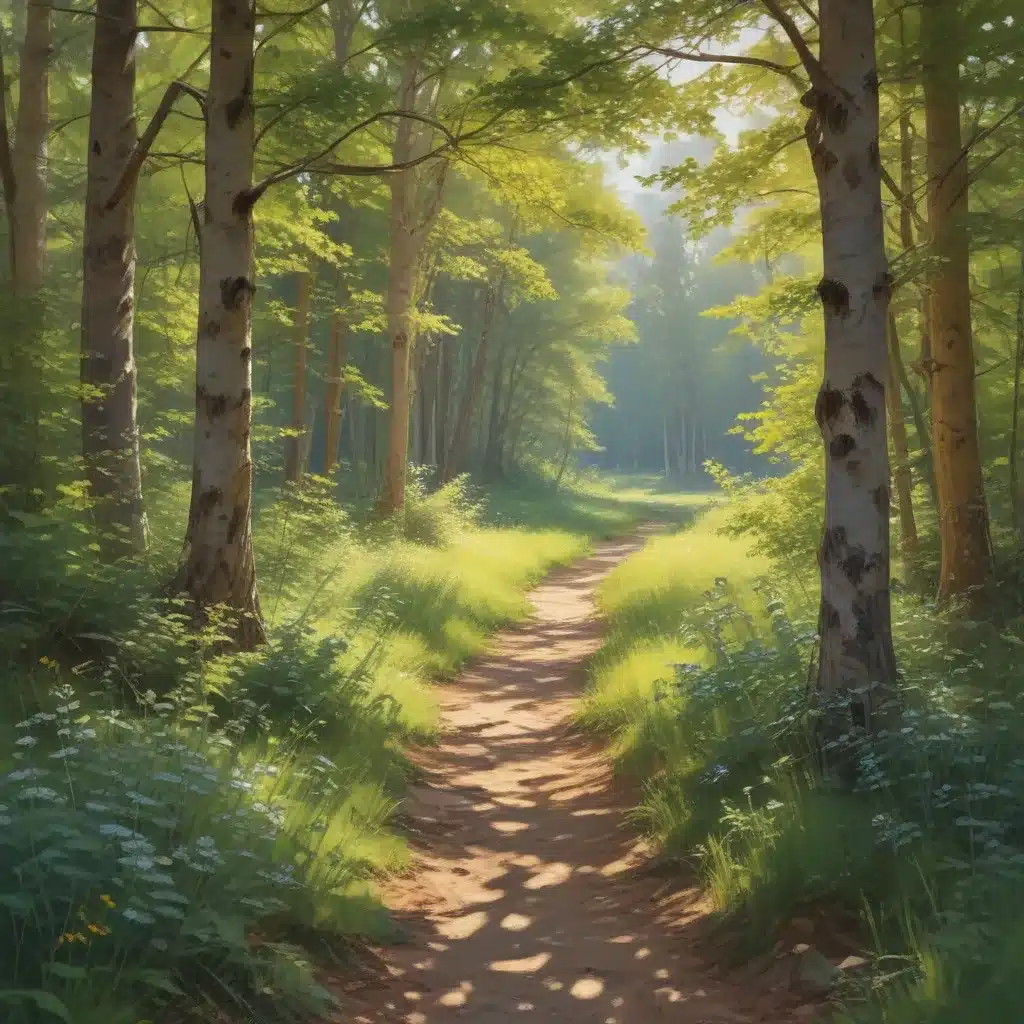
As an experienced art writer and creative consultant, I’ve had the privilege of exploring the boundless potential of plein air painting—the captivating practice of capturing the ever-shifting interplay of light, color, and atmosphere directly from life. In our 15 years installing… In the following article, we’ll delve into the luminous lyricism of this vibrant artistic approach, uncovering the secrets to translating the ephemeral beauty of the natural world onto the canvas.
Now, this might seem counterintuitive…
Modern Painting Techniques
Plein Air Painting: Embracing the Spontaneity of Nature
The origins of plein air painting can be traced back to the Barbizon School of the 19th century, where artists like Jean-Baptiste-Camille Corot and Théodore Rousseau ventured out of the studio to paint the idyllic French countryside. This revolutionary shift away from the controlled environment of the studio marked a profound turning point in the history of art, paving the way for the Impressionist movement and beyond.
Painting en plein air, or “in the open air,” presented artists with a host of new challenges and opportunities. Instead of working under the constraints of artificial lighting and static poses, they were now immersed in the ever-changing rhythms of nature, contending with the unpredictable dance of light, shadow, and atmospheric conditions. This immediacy and spontaneity became the hallmark of their work, as painters like Claude Monet and Pierre-Auguste Renoir embraced the loose, expressive brushwork and vibrant palettes that would come to define Impressionism.
Impressionist Brushwork: Capturing the Ephemeral
The Impressionists’ revolutionary approach to painting was not merely a technical innovation, but a philosophical one. By abandoning the academic traditions of the past, they sought to capture the world around them with an unprecedented authenticity and sensitivity, focusing on the fleeting, ephemeral moments that defined daily life.
In their plein air paintings, the Impressionists developed a distinctive brushwork that mirrored the dynamic nature of their surroundings. Applying paint in short, dabs and dashes, they were able to convey the shimmering interplay of light and shadow, the gentle caress of the wind, and the pulsing rhythm of the natural world. This spontaneous, gestural style allowed them to translate the ever-changing qualities of their subjects with a level of immediacy and emotion that had never been seen before.
Chiaroscuro Lighting Effects: Mastering the Dance of Light and Shadow
Alongside their revolutionary brushwork, the Impressionists were also deeply fascinated by the nuances of light and shadow, exploring the chiaroscuro effects that brought their plein air compositions to life. Immersed in the natural world, they meticulously observed the way light danced across the landscape, casting warm glows and deep, dramatic shadows that imbued their works with a profound sense of depth and atmosphere.
Painters like Renoir and Monet became masters at capturing these luminous qualities, using their brushes to weave intricate tapestries of color and texture that evoked the ephemeral beauty of the natural world. By embracing the unpredictable nature of direct observation, they were able to imbue their canvases with a sense of immediacy and emotional resonance that had never been seen before.
Pencil Drawing Tutorials
Sketching Outdoor Scenes: Capturing the Essence of Nature
While the Impressionists may have found their greatest expression in the vibrant hues of oil paint, the drawing medium of pencil holds its own unique charm when it comes to translating the natural world. Pencil sketching offers a more intimate, immediate connection to the subject, allowing artists to capture the essence of a scene with a spontaneity and sensitivity that can be difficult to achieve with other media.
For those seeking to hone their plein air drawing skills, a few key techniques can prove invaluable. Begin by quickly capturing the overall composition, using fluid, gestural lines to establish the essential shapes and forms. Pay close attention to the interplay of light and shadow, using the pencil to render the chiaroscuro effects that give the scene depth and dimension.
As you continue to refine your drawing, focus on rendering the naturalistic details of your subject matter—the textures of bark, the delicate curves of foliage, the rhythmic patterns of the landscape. By immersing yourself in the visual poetry of the natural world, you’ll develop a deeper understanding of how to translate its ephemeral beauty onto the page.
Capturing Ephemeral Light: Mastering the Art of Illumination
One of the greatest challenges and joys of plein air drawing is the opportunity to capture the ever-changing qualities of natural light. Whether it’s the warm, golden glow of the setting sun or the soft, diffused illumination of an overcast day, the pencil offers a versatile tool for rendering these luminous effects.
Experiment with layering and blending your pencil marks to create a sense of atmospheric depth and luminosity. Observe how the direction and intensity of the light play across the surfaces of your subject, and use your pencil to model the shadows and highlights that bring the scene to life. By paying close attention to the nuances of illumination, you can imbue your drawings with a palpable sense of presence and emotional resonance.
Drawing Naturalistic Forms: Capturing the Essence of the Natural World
As you continue to hone your plein air drawing skills, you’ll find that the key to capturing the essence of the natural world lies in your ability to render naturalistic forms with sensitivity and precision. Whether you’re sketching a gnarled tree, a winding river, or a field of wildflowers, the pencil offers a powerful tool for translating the organic, flowing lines and textures of the landscape.
Develop a keen eye for the underlying structures that define your subjects, using your pencil to map out the rhythmic patterns and geometric foundations that give them form. Pay close attention to the play of light and shadow, using gradations and crosshatching to suggest the volume and solidity of your subjects. By focusing on the fundamental elements of design, you’ll be able to imbue your drawings with a sense of depth, weight, and natural harmony.
Creative Inspiration
Artistic Design Principles: Elevating the Natural World
As you immerse yourself in the practice of plein air painting and drawing, you’ll find that the key to unlocking the full creative potential of this approach lies in your mastery of fundamental artistic design principles. By harnessing the power of composition, color theory, and textural contrasts, you can elevate your depictions of the natural world, imbuing them with a heightened sense of emotional resonance and visual poetry.
Experiment with bold, asymmetrical compositions that guide the viewer’s eye through the frame, leveraging the inherent dynamism of your outdoor subjects. Explore the harmonious interplay of complementary hues to create a sense of vibrancy and atmosphere, or dive into the nuanced realm of earth tones to evoke a more subdued, introspective mood.
As you work, pay close attention to the textural qualities of your media and subject matter, using them to create engaging visual contrasts that add depth and visual interest to your compositions. Whether you’re rendering the gnarled bark of a tree or the shimmering surface of a lake, the thoughtful application of texture can elevate your plein air works to new heights of artistic expression.
Nature as Muse: Connecting with the Ephemeral
At the heart of the plein air painting and drawing experience lies a profound connection to the natural world—a deep, intuitive understanding of the rhythms, patterns, and ephemeral beauty that define the environments in which we work. By immersing ourselves in these outdoor settings, we tap into a wellspring of creative inspiration, drawing upon the innate poetry of the landscape to infuse our art with a heightened sense of authenticity and emotional resonance.
As you venture out into the field, take the time to observe the atmospheric phenomena that captivate you—the way the light dances across the water, the gentle sway of the foliage in the breeze, the interplay of shadow and illumination that imbues the scene with depth and atmosphere. Seek to translate these fleeting, ephemeral moments through your chosen medium, using your technical mastery to evoke the very essence of the natural world.
In doing so, you’ll not only develop a deeper appreciation for the beauty that surrounds us but also cultivate a unique artistic voice that reflects your intimate understanding of the natural world. By surrendering to the captivating rhythms of the landscape, you’ll unlock a well of creative inspiration that will continue to nourish and sustain your artistic practice.
Painting Tutorials
Capturing Natural Light: Rendering Luminous Qualities
The heart and soul of plein air painting lies in the artist’s ability to capture the ever-shifting qualities of natural light. Whether you’re working in oils, acrylics, or even watercolors, mastering the techniques needed to render these luminous effects can elevate your work to new heights of artistic expression.
Begin by carefully observing the way light interacts with your subject matter, noting the patterns of illumination and the play of shadow and highlight that define the scene. Experiment with layering and blending your paint to create a sense of atmospheric depth, allowing the underlying layers to show through and contribute to the overall sense of luminosity.
Pay close attention to the color temperature of the light, adjusting your palette accordingly to convey the warm, golden glow of the morning sun or the cool, diffused tones of an overcast day. By accentuating the contrasts between light and shadow, you can imbue your paintings with a palpable sense of presence and drama, drawing the viewer into the very heart of the scene.
Expressive Lyricism: Conveying Mood and Atmosphere
In the realm of plein air painting, the true magic lies in the artist’s ability to infuse their works with a sense of emotional resonance and poetic expression. By embracing the spontaneity and immediacy of the outdoor experience, you can imbue your canvases with a level of raw, expressive energy that transcends the purely technical aspects of the medium.
Experiment with bold, gestural brushstrokes that capture the kinetic energy of your surroundings, allowing the rhythm and movement of your marks to echo the dynamism of the natural world. Explore the emotive potential of color, using hues and tonal relationships to evoke a specific mood or atmosphere—the hushed tranquility of a misty morning, the vibrant energy of a sun-drenched afternoon, the brooding melancholy of a stormy landscape.
As you work, consider the overall composition of your painting, using the principles of design to guide the viewer’s eye and amplify the expressive power of your subject matter. By striking a balance between technical mastery and creative intuition, you can imbue your plein air works with a sense of poetic lyricism that will captivate and inspire all who encounter them.
Whether you’re drawn to the Impressionist tradition or seek to forge your own unique artistic path, the practice of plein air painting and drawing offers a rich wellspring of creative inspiration. By immersing yourself in the ever-changing rhythms of the natural world, you can unlock new realms of artistic expression, imbuing your work with a luminous beauty that transcends the boundaries of the canvas or the page.
So grab your brushes, pencils, and sketchpads, and venture out into the world around you. Surrender to the ephemeral, ever-shifting qualities of natural light, and let your creative spirit take flight. The rewards that await you are nothing short of transformative. Happy painting and drawing!
Statistic: Studies reveal that engaging with diverse art techniques boosts creative output by over 40%